Art Gallery — Overview
What are behind-the-meter commercial & industrial (C&I) batteries?
We’re talking about smaller batteries, typically 100kWh to 5MWh in size, installed at a business. Importantly for the business case, the battery co-exists alongside the existing energy load as well as any other energy assets that might also be installed, such as rooftop solar, heat pumps or EV charging. The business is likely connected to the electricity distribution network at the low to medium voltage level.
How behind-the-meter batteries can make money
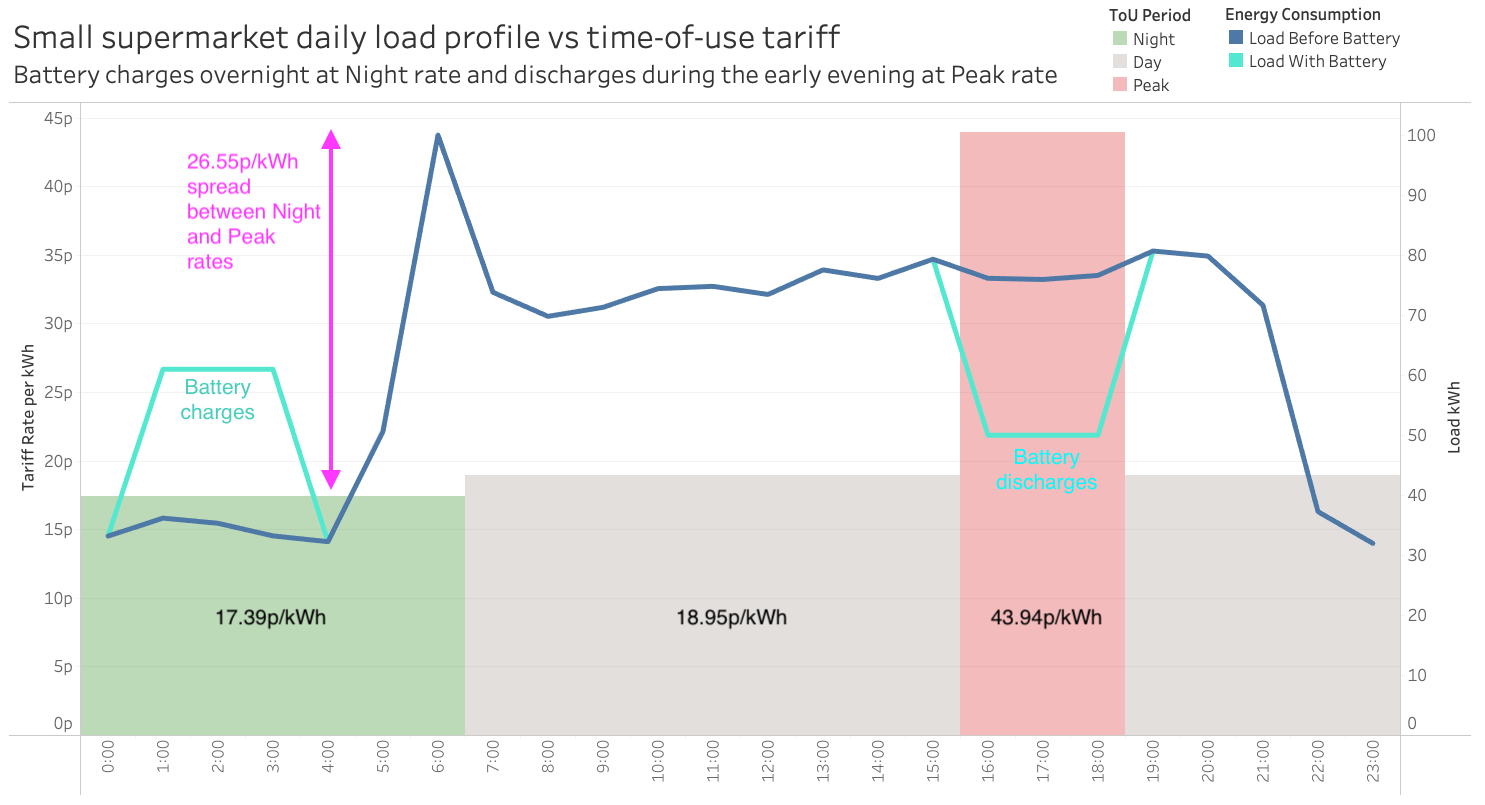
Unlike a generation asset such as rooftop solar, batteries don’t generate electricity at all, they just shift it in time. In a world where electricity costs vary widely during the course of a day, month or year, the ability to store energy at one time (when it’s cheap) and use that stored energy later (when it would otherwise be more expensive) can be very lucrative.
A behind-the-meter battery can make money in a number of different ways, often stacking different pools of value together. Working out when and how to do this though is not trivial and needs careful modelling and planning.
Simplistically you can group the money-making opportunities for behind-the-meter storage into four categories, which themselves can be further broken down something like this:
- Reducing energy supply costs
- Tariff arbitrage: charging cheap, discharging when prices are high
- Solar (and wind) self-consumption
- Demand charge management
- Reducing capacity market costs .
- Earning revenue from providing market services
- Wholesale or spot market arbitrage
- Frequency, balancing and ancillary services
- Flexibility services to the market in response to high wholesale prices
- Earning capacity market revenue
- Providing network capacity (as an alternative to traditional network infrastructure)
- Enhancing limited grid connections, for example for businesses looking to add additional electrical load as part of a site expansion or installation of EV charging infrastructure.
- Deferring traditional network augmentation, earning revenue by providing ‘flex services’ to the local network distribution business
- Delivering reliability (backup power), so critical loads can continue to run when there is a supply interruption (like a UPS does for a server room or data centre).
The revitalized art gallery is set to redefine cultural landscape.
Études is not confined to the past—we are passionate about the cutting edge designs shaping our world today.
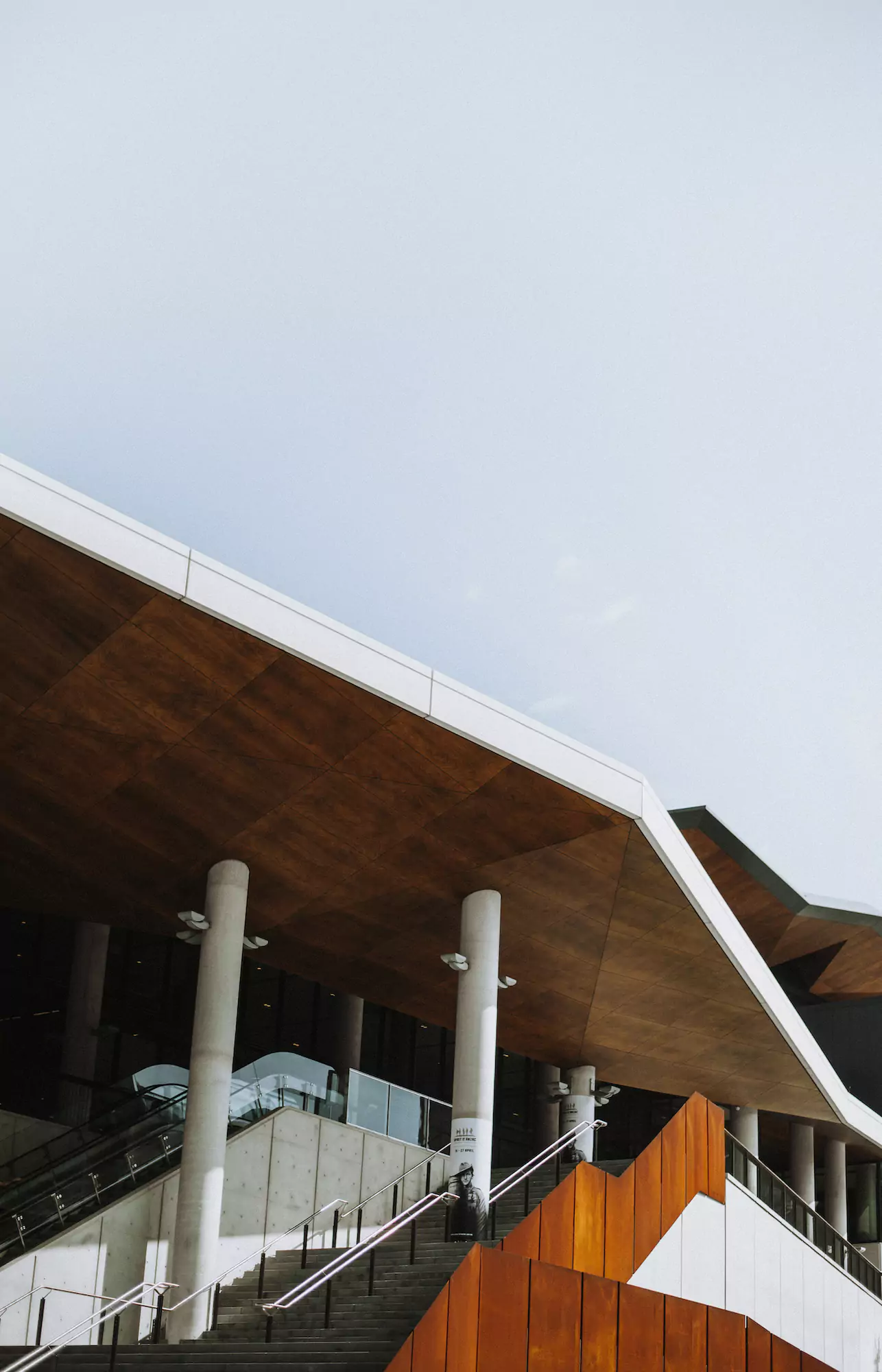
1. Through Études, we aspire to redefine architectural boundaries and usher in a new era of design excellence that leaves an indelible mark on the built environment.
Our comprehensive suite of professional services caters to a diverse clientele, ranging from homeowners to commercial developers. With a commitment to innovation and sustainability, Études is the bridge that transforms architectural dreams into remarkable built realities.
2. Case studies that celebrate the artistry can fuel curiosity and ignite inspiration.